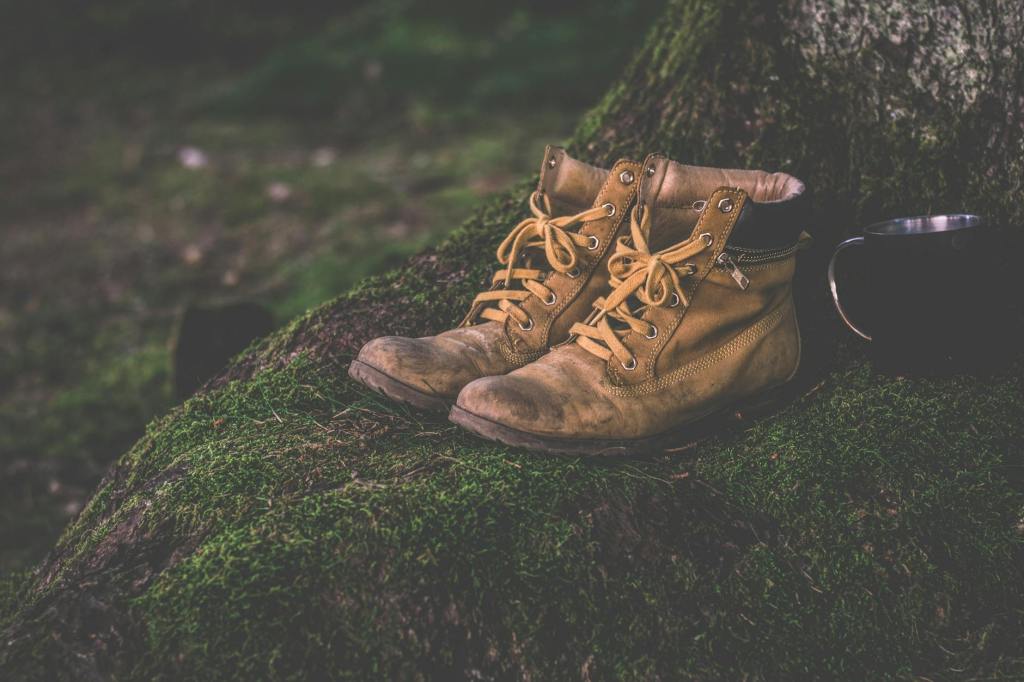
The environmental impact of footwear.
Shoes, actually several different types of shoes and likely boots too, are of course a necessity for modern life. However, in the Western world, most people, myself included, probably own too many pairs of shoes and boots.
More than 20 billion pairs of shoes are manufactured worldwide each year accounting for approximately 1.4% of global greenhouse gas emissions. And, the environmental impact of shoes isn’t limited to production. The majority of footwear contains non-biodegradable plastic which is produced from fossil fuels and contributes to microplastic pollution. However, leather, of course also widely used in footwear, is definitely not without its own environmental problems including significant land use and deforestation, greenhouse gas production and eutrophication of water from the animals from which leather is produced. In addition, leather requires tanning which often relies on harmful chemicals which can pollute waterways. At the end of their useful life, most footwear, whatever it’s source, ends up in land-fill. World-wide, more than 20 billion pairs of shoes are thrown away each year with almost 150 million of these being thrown away in the UK; that’s more than 2 pairs of shoes per person or approximately 9 pairs per year for a family of four.
What can I do to limit the environmental impact of footwear?
The most sustainable footwear is the footwear you already own. So, start with a shoe review. Polish any leather shoes that you own. Check if shoes need re-heeling, re-soling or strap repairs and take them to a cobbler. Small holes in running shoes should be stitched before they get bigger. Maintaining shoes for as long as possible reduces the annual carbon footprint of shoes as well as saving money.
Next, do a shoe audit. Which shoes do you wear on a regular basis across the year? Curate a minimalist shoe collection based on the shoe types that you wear most often. These are also the shoes that will need replacing at the end of their lives.
Stop buying triplicate pairs of shoes. Ok, arguably two pairs of running shoes might be necessary if you are a trail runner and need to dry your shoes out before the next run, and two pairs of everyday winter boots may allow you to dry out boots between wearing them in wet climates (and the UK is becoming increasingly wet and miserable in winter thanks to climate change) but, most people don’t need three or more pairs of the same shoe type.
Finally, when the time comes to replace worn out shoes, look for high quality footwear that will last as long as possible, look for shoes that are repairable by your local cobbler or buy from companies that offer shoe repair. Yes, these shoes are likely to be more expensive, but, in the long-term, quality shoes are likely to save money. In fact, there is a character from a Terry Pratchett novel who eloquently makes exactly this point. Importantly, the replacement shoes must be comfortable, otherwise you will end up with a collection of expensive shoes that don’t get worn very often. Online shopping is easy but you are more likely to find a comfortable pair of shoes if you visit a shoe shop and try on several different paris. Ideally do this at the end of the day after walking several thousand steps when your feet are likely to be slightly larger. This will maximise your chances of finding comfortable shoes.
Leather or Synthetic?
Hmm, an interesting one! I’ve already alluded to the fact that both leather and synthetic shoes have a big environmental impact so which is the least bad option?
If you are vegan for animal welfare reasons, the choice is clear – purchase synthetic i.e. plastic-based or plant-based shoes and boots as aligned with your ethical prinicples. However, if you eat meat, even if only occasionally, then you probably don’t have a moral objection to wearing leather. In which case, the question becomes more complicated.
An interesting masters thesis from the University of Graz in Austria looked at the whole life cycle of comparable leather and synthetic shoes. The leather shoes were much more durable than the synthetic shoes, lasting at least four times as long before showing similar wear and tear. Taking this into account, the leather shoes had an overall lower lifetime carbon footprint after the first year and a half of wear. In addition, over a longer time-frame, choosing synthetic shoes would also result in more waste as more pairs of shoes would be needed. Although the author of this thesis only had resources to fully evaluate one comparable set of shoes, the thesis demonstrates the importance of durability in minimising both carbon footprint and waste and the implication is that leather may be the more sustainable option due to it’s durability.
What about plant-based alternatives?
There are a few innovative companies producing “shoe leather” from plant-based sources such as apple peel, pineapple leaves or mushrooms. Some of these are price-comparible to plastic based faux-leather. For vegans, these potentially offer a great sustainable alternative. For non-vegans, the proven durability of animal leathers and potential for cost savings over the long-term might sway the argument towards traditional leather footwear currently.
Minimalist Shoe Collection Possibilities:
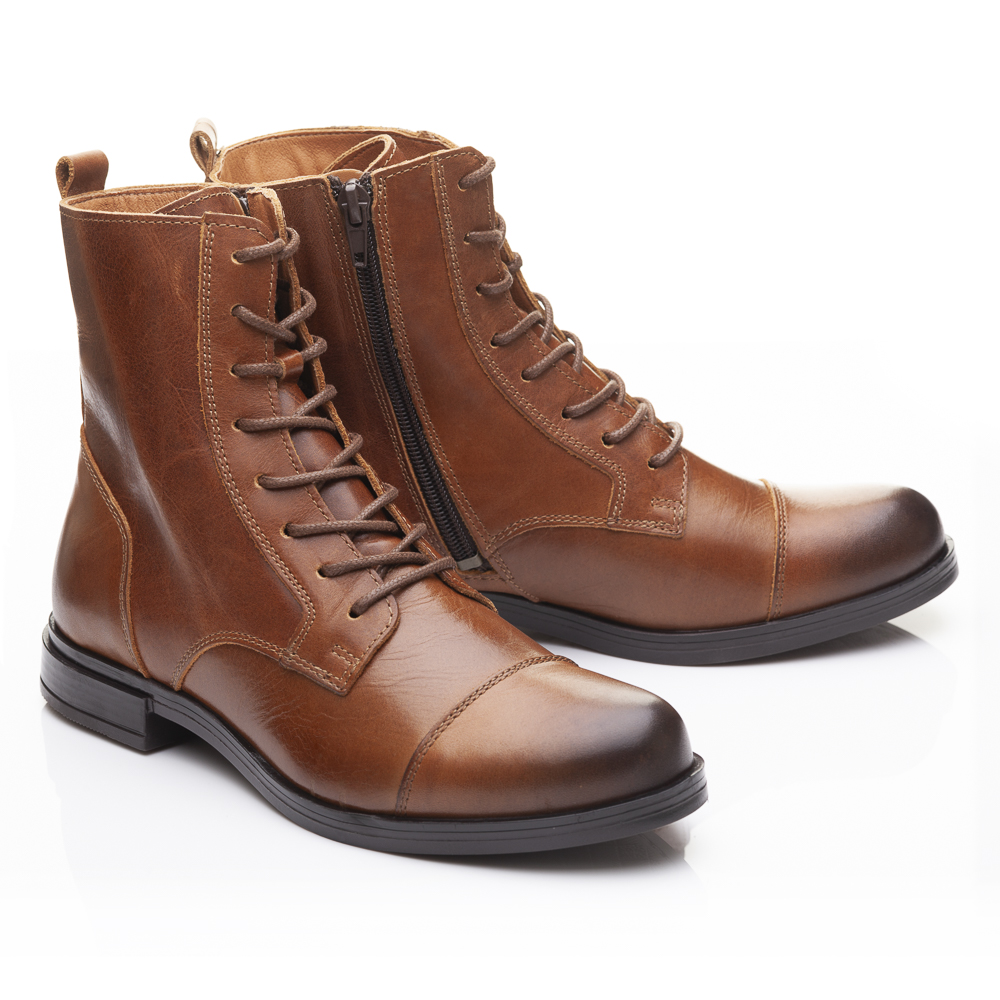
Winter boots. Tan leather lace-up boots or Chelsea boots. Consider buying “roomy” so you can pair with thick socks in cold climates. My current winter boots are going strong so no need to invest yet.
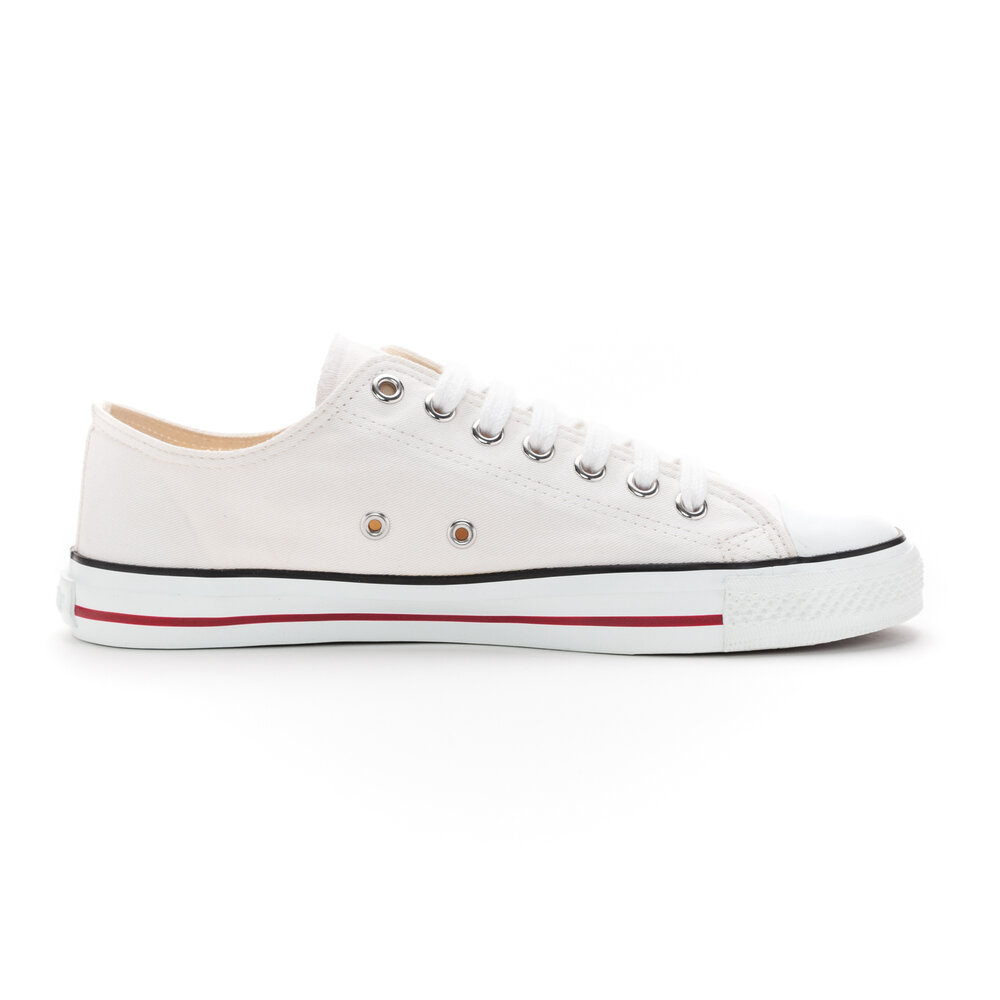
Spring and Autumn canvas shoes (also for work in my case). Try Ethletic’s fair vegan trainer.
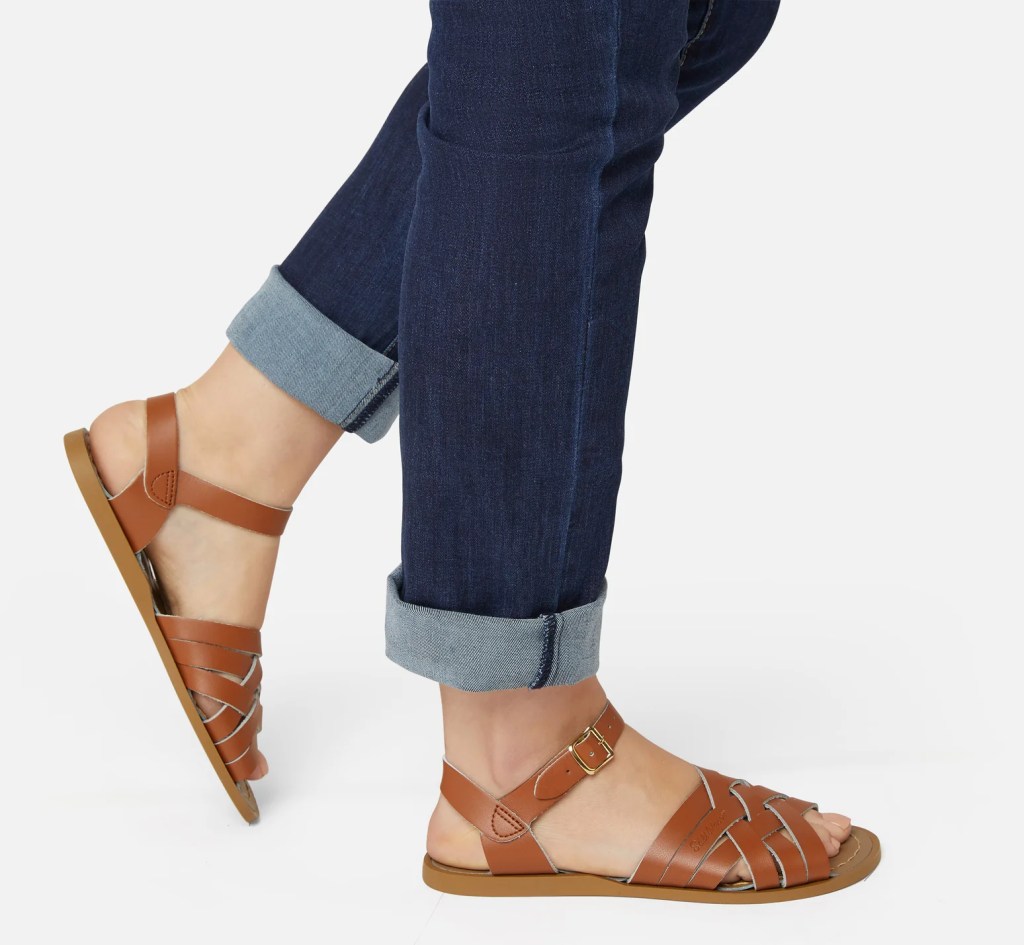
Summer sandals. Classic tan leather sandals such as these from Salt Water.
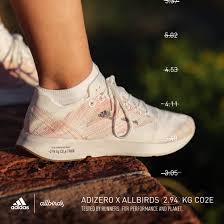
Running shoes. I’ve been wearing Asics trainers since I started running regularly but they don’t have a partiularly outstanding track record with sustainability. They are making some efforts by using some recycled materials in some of their trainers and carbon footprint labelling their products. However, they are being outperformed by others in the industry. The adidas x Allbirds running trainer has a significantly lower carbon footprint. Can I be persuaded to give up my asics? Possibly! In the mean-time, I’ve patched up my current trainers and will hopefully get another year of use out of them at least.
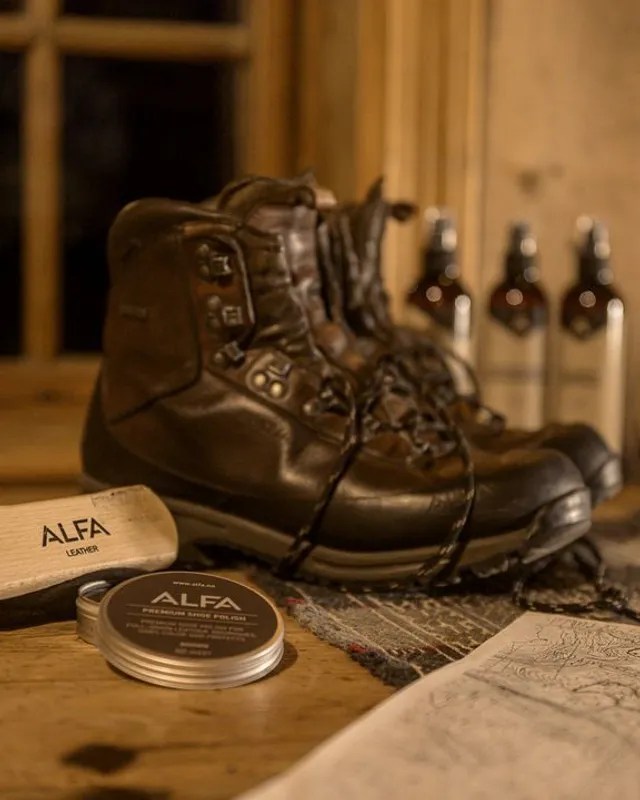
Hiking boots. My last good pair died and a hand-me-down pair gave me blisters so I’m going to invest in a new pair this year. I am tempted by Alfa’s boots for life. Realistically, I may end up buying some La Sportiva hiking boots that can be resoled as I can try them on in a local shop to make sure they are comfortable before purchasing.
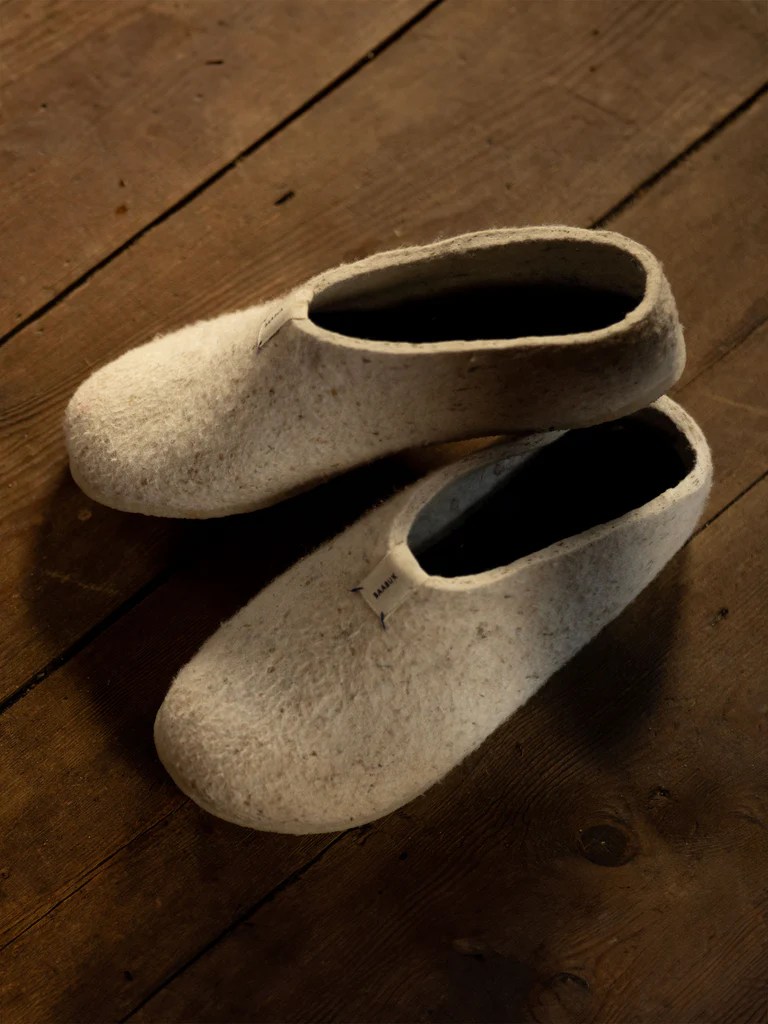
Slippers. Finisterre x Baabuk slippers. On my Christmas wish-list!






 The Art of Green Finance
Leave a reply to Sustainable parenting on a budget (part three); the school years. – The Art of Green Finance Cancel reply