Hobbies allow us to develop new skills and can allow us to be productive in our spare time. Hobbies may be an outlet for creativity; this is especially good if our jobs are not particularly creative. Hobbies may allow us to develop new friendships and can help relieve stress. However, some hobbies can eat into our budgets. So, with this in mind, which hobbies are the best in terms of protecting our finances?
Hobbies that actually save money.
This first section contains the hobbies that are most likely to save money, but this first part could equally have been entitled life-skills, because the hobbies that save the most money are basic life skills. The first hobby/skill is something that everyone should learn i.e. cooking. Further skills on the list could be learnt to a high level and exchanged for some of the other skills on the list if some of these “hobbies” really don’t appeal.
- Cooking. Everyone should be able to cook a basic meal from scratch from store cupboard ingredients. Over the years, this will save thousands of pounds. If you don’t enjoy cooking, learn to enjoy it!
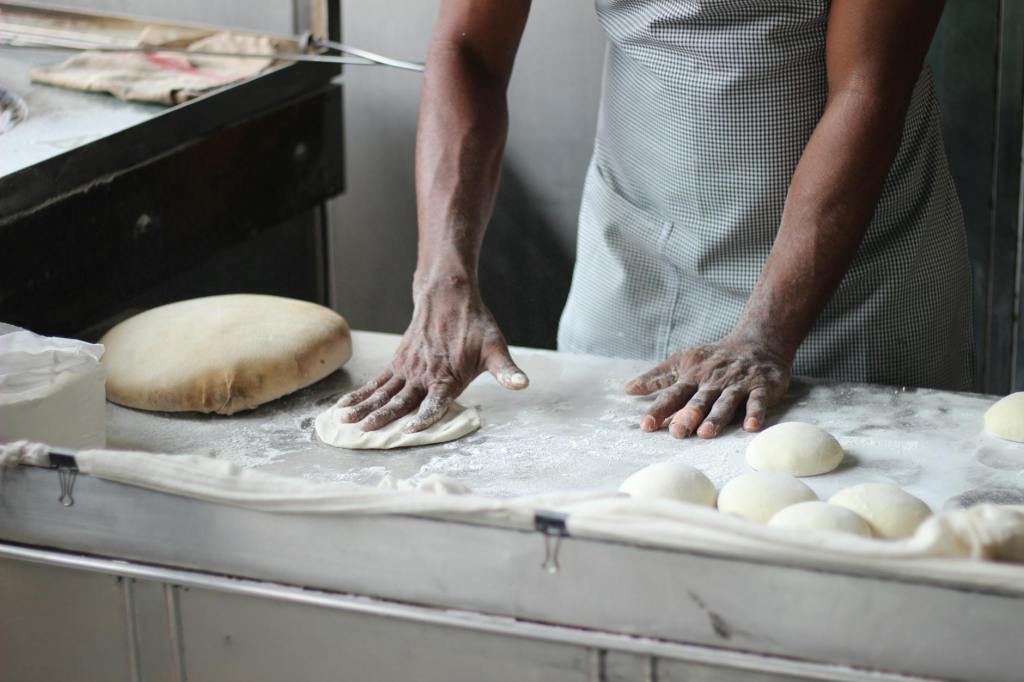
- Baking bread. Possibly a hobby for those who already love cooking, or perhaps also for those who are nervous about cooking, as a means of getting drawn into producing homemade meals. Baking a basic loaf of bread is surprisingly easy and will save a little bit of money. As with lots of things, the trade-off is time. However, once you’ve mastered a basic loaf, the actual time involved is pretty insignificant (especially if you happen to have access to a kitchen machine, although this is not a necessity). Baking bread can be fitted around other activities or leisure time, for example, bake a couple of loaves of bread whilst chilling out and watching a film (set an alarm!). Home baked loaves have the added advantage of being healthier than the mass-produced bread available in supermarkets.
- Growing your own fruit, vegetables and herbs. A definite money saver – see What should I grow to save the most money.
- Learning basic sewing skills such as how to sew on a button and how to mend a seam to extend the life of your clothing.
- Learning basic DIY skills including how to fix a leaking tap, how to un-clog a sink, how to change a light-bulb, how to put up a lampshade and how to install wall-hooks and shelves. Painting and decorating is also easy (although incredibly boring in my opinion and only to be attempted with a good podcast on hand).
- Walking/hiking. Walking everywhere you can saves money, keeps you moving and provides a good fitness foundation. Hiking may require some investment (good footwear) but provides pretty cheap family entertainment. If you gather blackberries as you go, you might also get a couple of low cost meals out of it (i.e. apple & blackberry crumble, blackberry jam).
- Learning basic bike or car maintanance, depending on your transportation of choice for trips of farther than walking distance.
- Budgeting. Perhaps not everyones idea of a fun hobby (although some people may find this strangely relaxing, ahem) however, definitely a basic life skill that everyone should master. See – How to create a realistic budget.

Cost neutral hobbies.
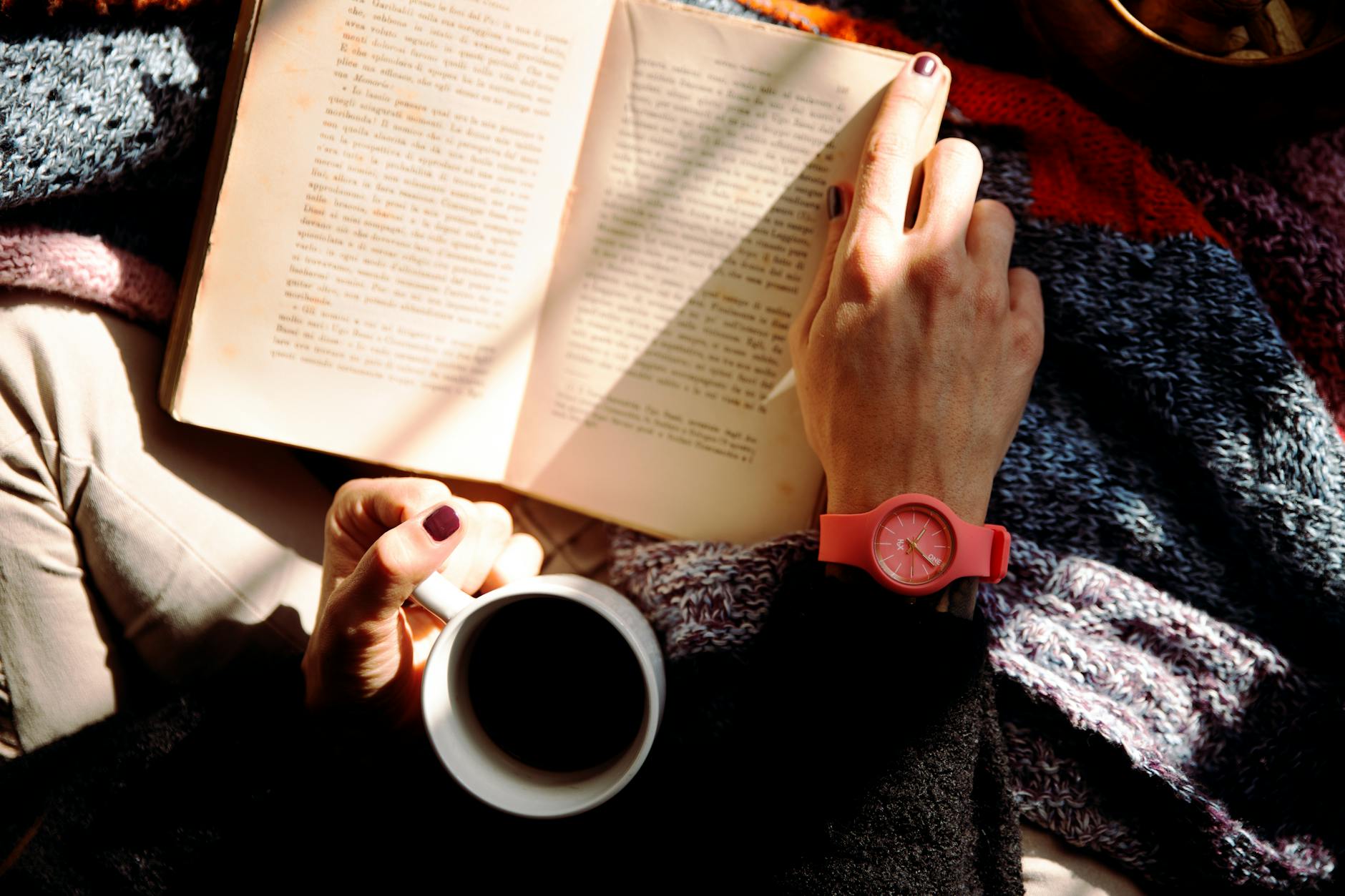
- Reading. This can be expensive if you buy lots of new books, however, if you join your local library and request the books that you want to read, this is a free activity. You may have to wait a few weeks for brand new titles but there are other books to read in the mean-time.
- Learning a language. There are multiple free online sources to get you started with a new language and to get you to at least good intermediate level. I highly recommend Coffee Break Languages German language podcasts if this is your target language. Coffee break languages have multiple languages on offer, however, the German podcasts are the only ones that I have used and can personally vouch for.
- Learning to play an instrument. You may be able to borrow the instrument or pick one up second hand. After this, playing music can be a low cost hobby. There are plenty of free online resources to get started with.
- Knitting or crocheting. Wool can be expensive but if you produce quality items, you can replace gift buying for lots of family members (exception; some people, for example family members with sensitive skin, find wool too scratchy to wear).
- Cycling. This could be a cost saver if you ride a relatively inexpensive bike and replace a commute to work in a car or on public transport. However, if you buy a top of the range bike, lots of expensive equipment and cycle only for leisure, this may end up being an expensive hobby!
- Wild swimming in summer. Combine with hiking and camping for low cost family entertainment. Make sure you follow basic safety guidelines and check Surfers against Sewage’s safer seas and rivers app before swimming.
- Strength training….as long as you don’t do this in an expensive gym. Home workouts using your own bodyweight and are free. In summer, look out for free gym equipment in local parks. If you are a woman over the age of 40, you should probably do this even if you hate it. Reward yourself for completing a workout.
- Camping. Could be cost neutral if you enjoy it enough to replace holidays in expensive hotels. Try to borrow camping gear first and do some short trial trips before investing in lots of equipment.
- Board games or card games. Swap board games with family or friends to try out new games. Good for family entertainment in bad weather.
Expensive hobbies to swap out.
- Any hobby involving a motor. Expensive and environmentally damaging. Swap driving and motor-biking for cycling or e-biking. Swap motor boating for sailing, kite-surfing, surfing, paddle-boarding or rowing. Swap flying for paragliding.
- Collecting. By definition, collecting things tends to cost money in terms of acquiring the collected items. Also you need somewhere to store the collection. And, you need to clean and maintain the collection. Swap for almost any other hobby!
- Hobbies that involve lots of tech/gear. Examples include computing, gaming, photography etc. If your budget is tight, use what you already have, find free versions (freecycle or borrow equipment), find a way to make your hobby pay for itself (teach? but, see hobbies that make money below) or pick up one of the money-saving hobbies above instead.
- Watching TV and/or films. Fine occasionally; expensive if you have lots of subscriptions. Swap for reading…or reading 5 nights out of 7…and cancel one or more streaming subscription(s).
- Shopping. This should not really be a hobby, so first consider why you might be shopping so much. Next, turn your shopping addiction into a useful hobby. If you like to shop for clothing, consider learning to sew so that you can upcycle vintage clothing. If you like to shop for make-up, consider learning how to make your own make-up. Or find a substitute. If you shop for shoes, swap for home manicures, pedicures and facials or cultivate an exercise addiction (you will look healthier and won’t need to rely on new clothes or accessories to look good).
Hobbies that make money…
…are no longer hobbies. You now have a business or at least a side hustle and therefore some of the benefits of having a hobby (unlimited creativity, stress relief etc.) are lost. Consider if you really want to turn your hobby into a side hustle or business before committing to this route.





 The Art of Green Finance
Leave a comment