It is definitely possible to save money on groceries by growing fruit, vegetables and/or herbs at home. What you choose to grow should of course depend on what you like to eat. However, certain crops save much more money than others. In 2023, I weighed all of the produce from my garden and worked out the equivalent cost of buying the same amount of fruit or veg in the shops, and discovered some clear winners in terms of money-saving. I grow organically so I used the organic prices. Your personal list might look a bit different to mine below, but if you are looking for inspiration, my top 10 crops would be a good place to start.
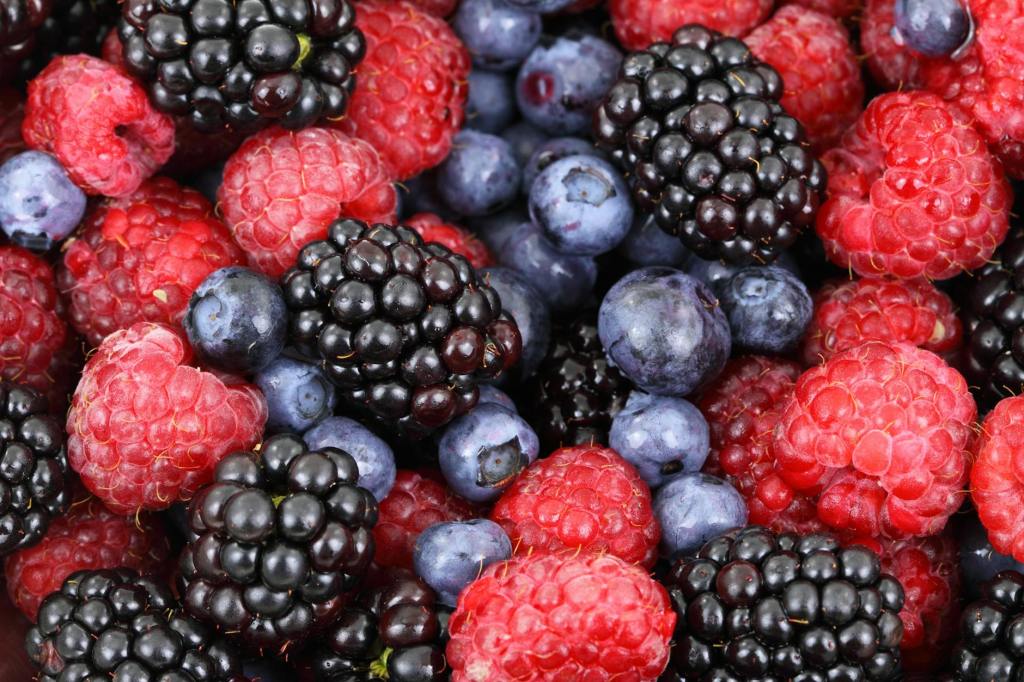
- Summer fruiting raspberries. We had a huge harvest of raspberries from a small raspberry patch – over £100 worth if I had bought them in the shops. We had so many we made quite a lot of jam. We also tried out raspberry sorbet. The rest we froze for turning into crumble during the winter months. Raspberries are simple to care for – they just need cutting back to the ground at the end of the season, and self propogate, so investing in 5 canes will result in years worth of fresh raspberries. They can even be grown in partial shade. Therefore, raspberries are my number 1 recommendation for anyone with even a small garden. They are not really suitable for pot growing unfortunately; they might crop lightly for one or two years but will run out of steam.
- Tomatoes. Despite a wet and cool period in the summer and inevitable blight, we still managed to get a reasonable tomato harvest, equivalent to £75 worth of tomatoes if we had brought them in the shops. The seeds were left over from the year before and I got an almost full bag of compost for free in return for volunteering at a community seed and seedling swap, so this was all profit. The tomatoes were mostly eaten as summer salads with basil and mozzarella. A few were used in tomato pasta. The green tomatoes that weren’t struck with blight were turned into a seriously good spicy green tomato chutney. Tomatoes are moderately difficult to grow as they are hungry and thirsty plants and need pinching out and tying in, but definitely worth the time investment for us. In 2024, we will try out an early ripening variety and a relatively blight resistant variety to try to increase our harvest (investment approx. £12).
- Pears. We have two small pear trees, either concorde or conference (the labels have fallen off and I can’t remember which they were). They lived in pots while we lived in a house with a tiny courtyard garden and were unhappy. Since they have been planted in the ground in our new house, they have produced a good harvest of pears, – approximately £50 worth of pears in 2023 if purchased in the shops. Also, the home-grown pears were definitely more tasty than those from the shops. Another recommendation if you have the space for at least two small trees (to increase pollination).
- Spinach. In particular, perpetual spinach. This is tastier than regular spinach and just keeps growing and growing all year. It can also be grown in a pot if space is limited. We harvested at least £20 worth of spinach last year and probably could have harvested more, except a couple of tomato plants germinated in the bed (likely from seeds from fallen tomatoes from previous years) and out-competed the spinach. The “wild” tomatoes were not the tastiest so any tomato invaders will get weeded out next year and the spinach will hopefully do even better. I’ve also planted rainbow chard elsewhere in the garden to extend the leafy greens season, so, we’ll see if the chard also makes it into the top 10 next year.
- Rhubarb. This was growing in the garden when we moved in so has cost nothing. I divided the rhubarb and now we have 4 rhubard plants. We harvested about £20 worth of rhubard for rhubarb cake and rhubarb crumble and also made some into a rhubarb compote to go with porridge (I definitely recommend the optional beetroot in the rhubarb compote recipe to keep the colour an appetising pink, rather than an unappetising pale brownish pink). We could have harvested much more rhubarb but couldn’t come up with more uses for it. One plant is likely enough; maximum two if you love rhubarb.
- Endive salad. Hard to get hold of in the shops. I grow this because it is my partner’s favourite salad leaf. It’s pretty cold hardy but takes a long time to reach a good size. The home grown variety needs to be checked thouroughly for slugs! I can’t grow enough heads of this to supply our salad needs so I may try the Romanesca cutting variety in 2024 to bump up the harvest.
- Basil. Apparently easy to grow but I’ve struggled to grow big healthy clumps of basil from seed. However, I’ve had more success with dividing and re-potting basil purchased from the supermarket into bigger pots. I get at least 4 basil harvests for every purchase by doing this. This saves approximately £5 on fresh herbs each time I do this.
- Courgettes. Easy to grow and productive, but, not loved by my children. Two courgette plants provides more than enough for a packed lunch treat (grilled veg, mozzarella and pesto ciabattas) and summer barbecues.
- Broad beans. Planted in autumn for an early harvest, these are easy to grow and will grow during the time of year when not much else will survive. They have a reputation for being bitter but this is not our experience and might apply to older varieties or to those that have not been prepared properly. Steamed and double podded, these are a treat in a salad, or for a larger harvest try this Greek broad bean and feta cheese recipe.
- Redcurrents. Another request from my partner. These took a year to establish before producing a harvest. Each bush produces an ice-cream tub worth of berries and these are mostly used in cakes in our household. They are quite tart so not to everyones taste. Try to find a neighbour that is growing redcurrents to sample a few fresh berries before planting.
What else can I do to maximise profits from home-grown produce?
In short, spend as little as possible! Start by growing from seed; don’t be tempted into buying seedlings or plug plants as this will eat into your profits.
You may be able to source leftover seeds from family or friends with green fingers. Alternatively, see if your nearest climate action group run a seed and seedling swap. Or, go along to your local gardening group and let it be known that you are starting a new garden; you will likely be given some leftover seed or even seedlings. You may also be able to take hardwood cuttings of currents or gooseberries from a friendly gardener.
Strawberry plants and raspberries are often given away as they self propogate and provide gardeners with more than they can use. Keep a look out for “help yourself” signs near allotments or in neighbourhoods with good-sized gardens.
Growing perenials (plants, bushes or trees that produce a crop year after year) also saves money as it means that there is no need to invest every year. Several perennials have been mentioned already including fruit trees and bushes, rhubarb and soft fruits.
Avoid buying plant pots and instead re-purpose containers that you will inevitably end up with after your weekly shop i.e yoghurt pots, fruit and veg packaging etc. Keen gardeners tend to accumulate pots, so check with family and friends if you still find yourself short after re-purposing.
Once you have grown some of your own produce, you will likely be able to save on the cost of some seeds in future years by saving the seeds.
Compost! If you produce your own compost you can add sufficient nutrients to your fruit and veg garden to avoid the need for any kind of artificial fertiliser. For very hungry plants (see tomatoes above) you can use a comfrey tea or mulch for extra nutrition.
2024 Harvest update:
This year, we were away from home for a significant amount of time and so very little time was spent in the garden. Despite this, we still managed to harvest some fruit and veg, mainly thanks to work in previous years. Our successes included:
- Raspberries – £80 worth….plus large amounts that disappeared into the children’s stomachs without being weighed.
- Tomatoes – £38 worth. As we were away a lot early in the year, we didn’t make use of the greenhouse and grew the tomatoes outside. In the wet conditions, most of the tomatoes looked like they would never ripen. Late in October we harvested the remaining green tomatoes and placed them on the kitchen counter alongside bananas (supposed to help ripening) and went off on a long weekend trip expecting the worst. We returned to numerous red tomatoes pushing us up to our late-in-the-season total and more than making up for the outlay on seeds. The rest we turned into green chutney – this is surprisingly popular with family members and some will be used as Christmas gifts with some good cheese.
- Pears – £37 worth.
- Apples – £35 worth. These didn’t even make the top 10 in 2023 but the trees are another year older and more productive now.
- Figs – only £16 worth but absolutely delicious and a real treat.
- Basil and parsley – potted on from supermarket herbs. £15.
- Endive salad – £12 sown in autumn 2023 and harvested in spring.
- Spinach – £9 sown in autumn 2023 and harvested in spring.
- Artichokes -£5. We had more than £5 worth but we arrived back to the garden just a bit too late and several heads were already opening. They made beautiful flowers but didn’t end up in our stomachs.
We’ve also had other failures this year due to not keeping a close enough eye on the garden. The sweetcorn were tiny and became infested with woodlice, possibly following slug attack. Also lost to slugs were courgettes and strawberries. Lost to birds were cherries and redcurrents. Hopefully, we’ll have more time in the garden next year and can improve our harvests.







 The Art of Green Finance
Leave a reply to 3 Step End-of-Year Personal Finance Review – The Art of Green Finance Cancel reply