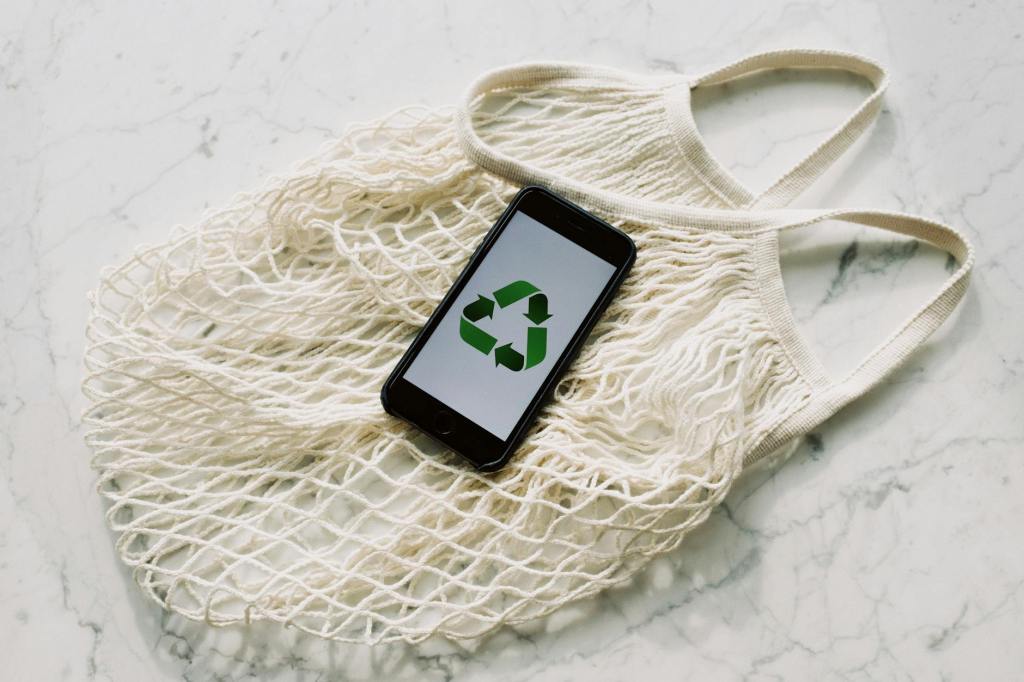
Zero waste swaps can save money. However, there are some provisos. As with the energy saving measures with the fastest payback time, the zero waste swaps that start to payback money in the fastest time are the no-cost swaps or the minimal investment swaps. If however, you purchase expensive zero waste products and/or proceed to lose or damage them, you will end up spending money unecessarily instead of saving money.
So, before purchasing any zero waste products, in general, first use up what you already have and then consider adapting items that you already own for the biggest financial savings.
With these provisos in mind, here are 7 zero waste swaps that can save money.
- Re-useble shopping bags. In the UK, there is a 10p charge for taking a plastic bag from checkouts at shops and supermarkets. This policy has been massively successful in reducing plastic waste. Always carry a spare bag with you for immediate savings. Most people already have plastic bags or re-useable bags lying around that can be utilised. If you need to buy a large tote bag, for example a Surfers against Sewage bag (see below), this will need to be used 200 times before you start to make any savings. This is also roughly in line with the number of times a tote bag will need to be re-used to have a smaller environmental footprint than the plastic bag.
- Re-useable water bottle. If you have to buy a bottle of water, for example, when out walking around in unexpectedly hot weather, keep the plastic bottle, wash it out and carry it with you for future savings. The refill app lists places where you can refill your water bottle for free. A more expensive eco water bottle, such as an ocean water bottle that helps fund ocean plastic clean-up (see below), will need to replace 35+ bottles of water before you see any savings. However, if you regularly buy bottled water or bottled drinks e.g. at lunchtime, this is a good swap.
- Re-useable coffee cup. Similarly, if you drink tea or coffee, a re-useable cup will allow you to make savings at most chain coffee stores. Even better, join or start a workplace tea/coffee club for bigger savings.
- Replace kitchen roll. Use old towels, clothes or rags to replace paper towels. Here is an easy tutorial to turn scraps of fabric into slightly more aesthetically pleasing wipes without frayed edges. Alternatively, re-useable bamboo kitchen roll is available to buy. The payback time / potential savings will depend on how much kitchen roll you currently use, with big potential savings for some.
- Replace cling film. An upturned plate or dish placed over food to be saved in the fridge is a simple cost free swap. For bakers, a wet tea-towel will stop pastry dough from drying out and can be used to keep bread dough from forming a crust. For transporting packed lunches, a simple sandwich container is a worthwhile investment with a fast payback time in comparison to buying pre-packed sandwiches.
- Ditch disposable razors. While safety razors are much more sustainable than plastic multi-blade disposable razors, there is a definite increase in skin nicks with a safety razor which makes them a less user friendly option. The middle ground is the Estrid razor which combines a steel long-lasting handle with replacable multi-blade lubricated heads. The heads are currently not recycleable, but the company is looking into setting up a recycling scheme if legal and safety obstacles can be overcome, so, consider holding on to used heads and keep an eye on their website for developmemts if choosing this option.
- Plastic free periods. If you use tampons, swap immediately to a menstrual cup. Cups are much more discreet than tampons as you don’t need to find suitable tampon disposal when visiting friends/relatives etc. and you don’t have to sneak menstrual products into public bathrooms when out and about. The payback time is approximately 6 months and they last for years, adding up to significant savings over their lifetime. For younger girls, or women who do not like tampons, period pants are an alternative.








 The Art of Green Finance
Leave a reply to How to be a more conscientious consumer on a tight budget. – The Art of Green Finance Cancel reply