2025 has begun with a pretty impressive cold snap in the UK. If you are struggling to pay your energy bills read this citizen’s advice article about where to get help.
Even if you can pay afford to pay your energy bills, it’s likely that you’ve found yourself heating more than you would like in recent days and possibly groaned at the extra costs this will involve. In this case, try these simple and effective solutions for saving on energy costs this winter.

A note on potential savings and payback times: I included typical savings based on the most up-to date information I could find when writing this article in early 2024. Energy prices have fortunately fallen from these peaks. I have kept the original estimates of savings and payback time in place in order to be able to compare between measures. Savings for this year will be slightly less than estimated and payback times will therefore be slightly longer.
Zero-cost changes
The energy saving measures with the fastest payback time are the free energy saving measures. This is because you start saving money as soon as you implement them. Here are the top 10 free energy saving measures:
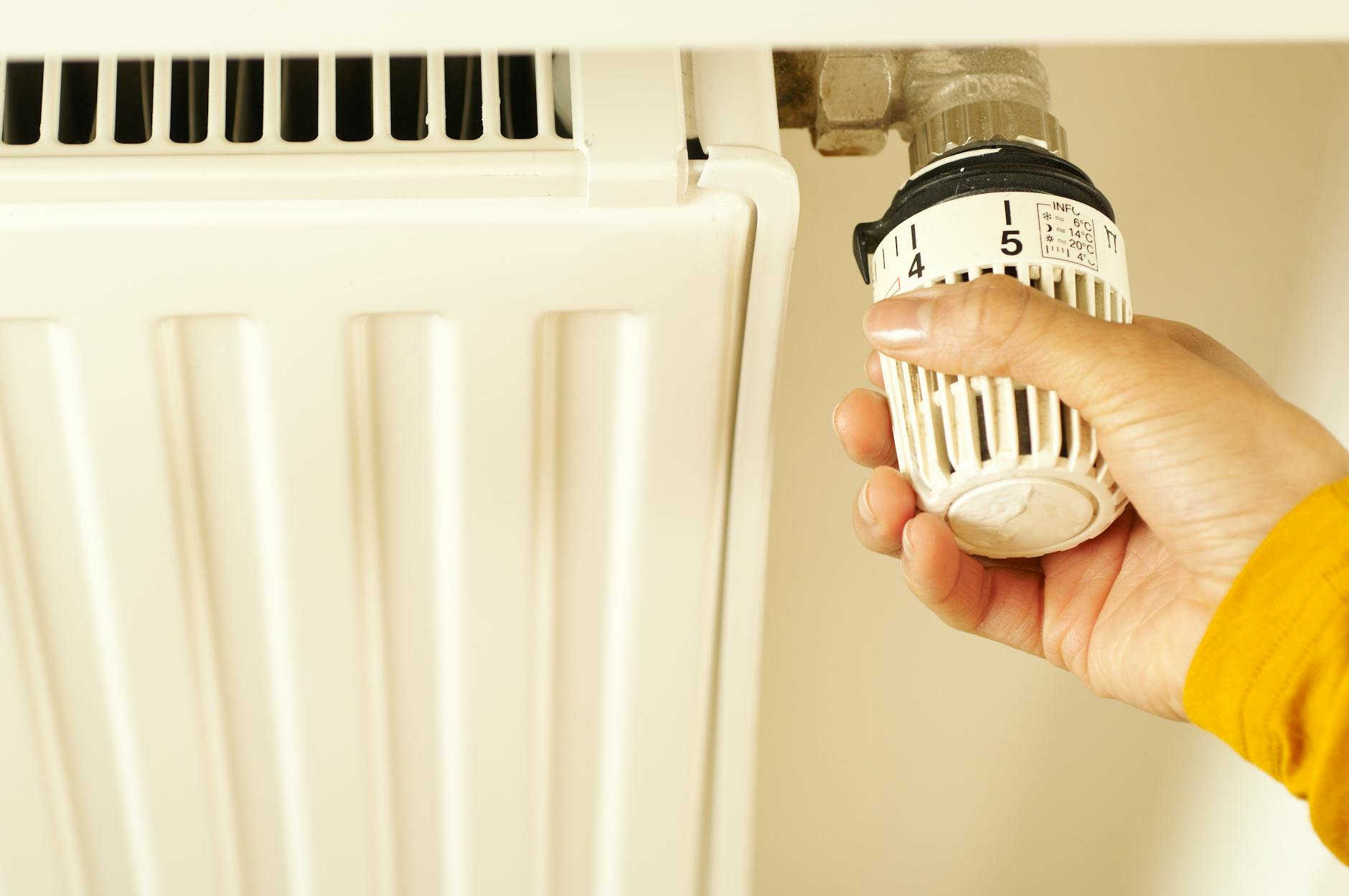
- Setting the radiator thermostats in the bedroom to a lower temperature than the living areas. At least eighteen degrees is recommended for living areas but sixteen degrees may be fine for a bedroom. This is likely to be between numbers 2 and 3 on manual radiator thermostats. Try using an inexpensive greenhouse thermometer to get the temperature right. You could do this over the course of a winter evening for example. Then keep the radiator thermostats set to that point. In infrequently used rooms, turn radiators down by a further 3 degrees. Don’t turn them down lower than this (or turn them off completely) as the central heating system will have to work against the cooling effect of that particular room otherwise. Try one number lower than the bedroom on the radiator thermostats and adjust until you get a 3 degree difference. Once it’s set, forget it. Typical savings – £135 per year.
- Turn down the running temperature of a combi-boiler to 60 degrees. If you have separate controls for hot water to the taps, turn this down too. Or turn down the cylinder temperature to 60-65 degrees if you have a central heating system with a cylinder. Typical savings – £20-60 per year, depending on the hot water and heating system.
- Make sure that central heating is timed to come on only when you are in the house (unless you have a heat pump). Typical saving – £16 per year.
- Don’t use a tumble dryer. Consider a heated airer instead if you struggle to dry clothes during winter. Typical savings – £100 per year.
- Do full machine machine loads using the lowest temperature possible. Typical savings – £25 per year.
- Switch off appliances at the plug socket. Typical savings – £50 per year. Remembering to do this 80% of the time still equates to a £40 saving.
- Turn off lights if you are leaving the room. Typical savings -£20 per year, or £16 if you only remember this 80% of the time.
- Heat water for cooking in a kettle rather than on the hob. Typical savings – £11 per year.
- Close the curtains at dusk. Typical savings – £10 per year.
- Bleed the radiators to make sure the heating system is running efficiently. This could save up to £90 per year.
Low Cost Measures
The next group of measures are low cost and therefore have a fast payback time. These include:
- Add a jacket to a hot water cylinder. This is the best value for money home energy improvement and can pay for itself in a matter of months. While you’re at it, also insulate hot water pipes leading away from the cylinder.
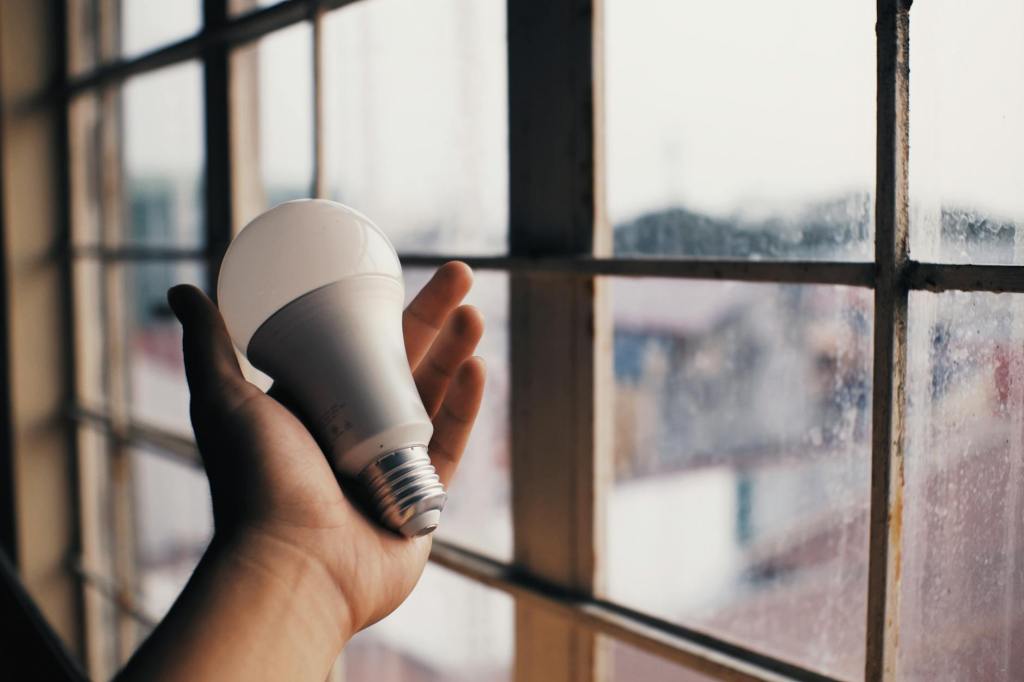
- Swap halogen light bulbs to LEDs. The payback time is just 6 months, so do this asap. Don’t wait for the old bulb to blow.
- Draught proof around windows, doors, letter boxes, skirting boards and floorboards. This is an easy DIY job, even for people with minimal DIY skills. DIY draught proofing can pay for itself in as little as 6 months.
- If you have an open fire, use a chimney draught excluder.
- Mount reflector foil on walls behind any radiators mounted on an external wall. The payback time depends upon the level of wall insulation i.e. less than a year for houses with solid walls without a cavity but up to 4 years for cavity walls with insulation.
Higher Cost Measures that may pay for themselves over the long-term
Home improvements with bigger costs will take longer to pay for themselves. If you plan to live in the same house for several years, these are definitely worth considering.
- Loft insulation. This requires a bit more DIY skill and is not much fun! If you pay for someone to do this, the payback time is 3-10 years.
- If you have a house that was built after 1920, you probably have cavity walls. Having cavity wall insulation installed will pay for itself in between 3 and 20 years. This is a wide range but this partly reflects different costs of installation and different estimates of energy costs in the future.
- If you are upgrading large appliances, get ones with the best energy rating.
- Buy heavy lined curtains for your windows.
- Consider secondary glazing.
Measures with the worst payback time are generally the most expensive measures. For example, double glazing installation. As double glazing is expensive, the payback time is likely to be longer than the life of the windows. On economic terms solely, this is one to avoid.






 The Art of Green Finance
Leave a reply to 10 zero cost ways to green your life – The Art of Green Finance Cancel reply