
Below are my reviews of the personal finance and climate and biodiversity crisis books that I’ve read in 2024. These might provide inspiration for your reading?! I’ve also listed a couple of books that I would like to read this year. Happy reading!
Personal Finance Books
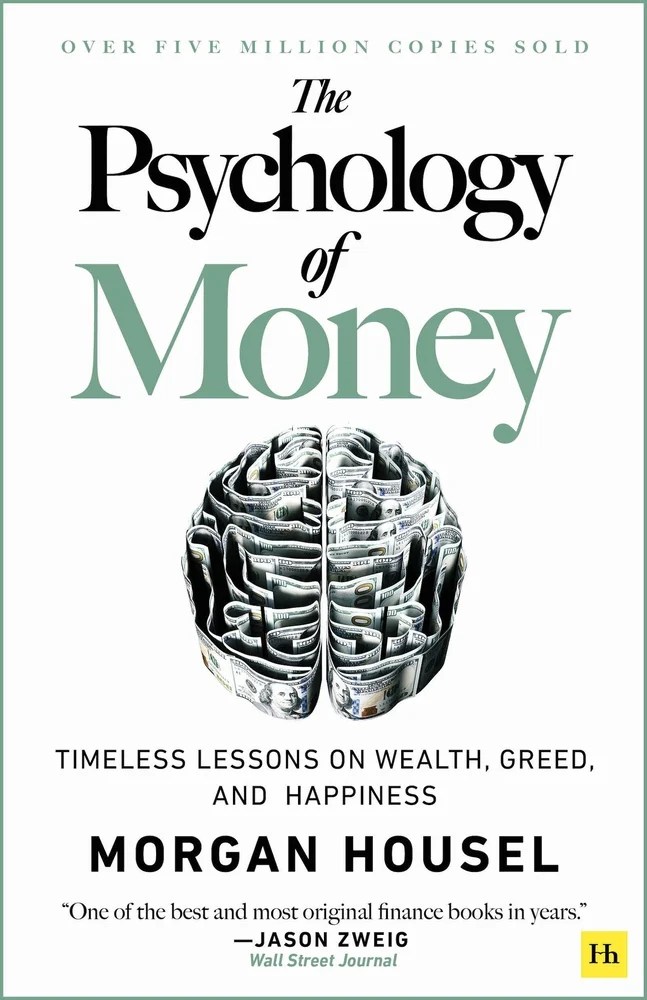
The personal finance book that I have enjoyed most and learned the most from this year is The Psychology of Money by Morgan Housel. This is a great book for people who are already doing well or have money to invest. Four important concepts are explained in a highly understandable manner; the wisdom of holding cash or other liquid assets as an insurance policy against unknown future shocks, the concept of enough (particularly important due to the climate crisis), the power of compounding (and therefore investing for the long-term) and the impact of outliers on a portfolio. I really liked the authors’ general approach to personal finance and the clear explanations given, with examples of good and bad practice. 4.5/5.
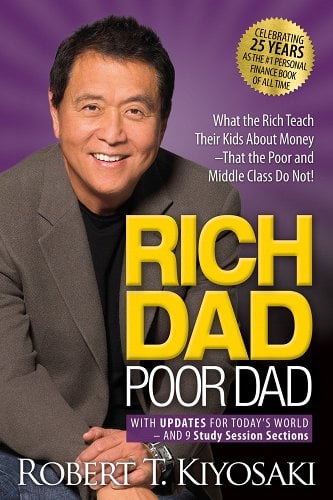
I also finally read Rich Dad, Poor Dad by Robert Kiyosaki. Considered something of a classic among personal finance books, I was not a massive fan of this book, possibly because I knew that the author was a supporter of Donald Trump, had no qualms about investments in fossil fuels and because the author is also a fan of investing in property and “flipping” properties, which has some inherent ethical issues. Furthermore, I knew that the author had at one time declared bankruptcy; hardly a solid position for someone writing about finance. Despite the background issues, I did take some learning points away from this book, for example, the author makes the point that you cannot grow wealth unless you spend much less than you earn and that wealth can only be obtained by acquiring assets. He also makes the point that your house is not an asset, in the sense of a money-generating asset. Overall I gave this book 3/5.
I re-read The Rules of Wealth by Richard Templar when I ran out of reading material while traveling and found this on a bookshelf. This book contains mostly sensible advice and is very easy to read. If you have lots of different insurance policies, this book will make you question the wisdom of that decision. I don’t agree with all of the advice given in this book, but, as the book contains so much advice, most people are likely to take away some new and possibly valuable information. Plus it’s easy to dip in and out of. Overall 3.5/5.
Climate and Biodiversity Crisis Books.
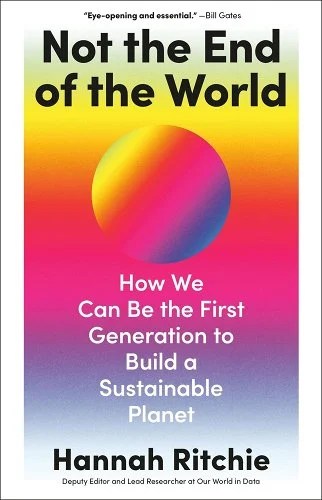
Hannah Ritchie’s book Not the end of the World held very few surprises for me, possible because I previously followed the author and the organisation that she works for (Our World in Data) on Twitter. (This was before Twitter became X and I made the decision to abandon the platform). However, I think there would be quite a few surprises for the general reader not familiar with Ritchie’s work, and, for that reason, I would definitely recommend this book, especially to non-scientists and/or those with climate-doomerism tendencies. My main criticism is that in parts the book, Ritchie sounds a bit overly optimistic whereas optimism tempered with realism would probably be more effective. Overall 3.5/5.
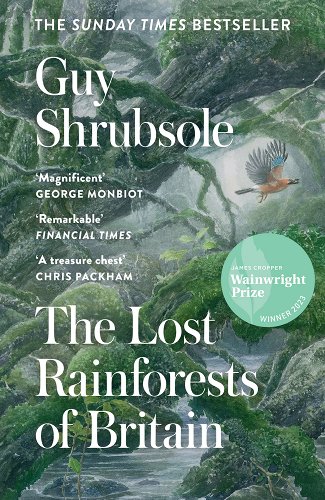
The Lost Rainforests of Britain by Guy Shrubsole, on the other hand, held a wealth of interesting and surprising knowledge. At times, it felt like it was a bit of a stretch to extend the underlying knowledge about ancient forests in Britain to fill 11 Chapters and that the book could have been slightly shorter. However, definitely recommended for nature lovers. Overall 4/5.
What’s on my Reading Wish-list for 2025?
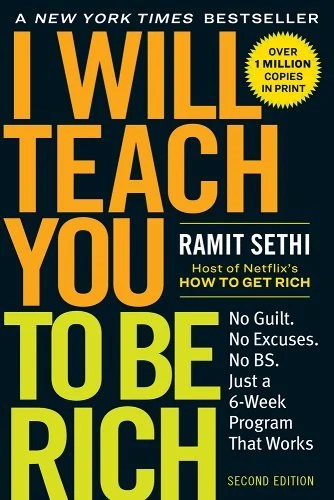
In personal finance, I’m going to continue my trawl through some of the classics starting with Ramit Sethi’s I will Teach you to be Rich.
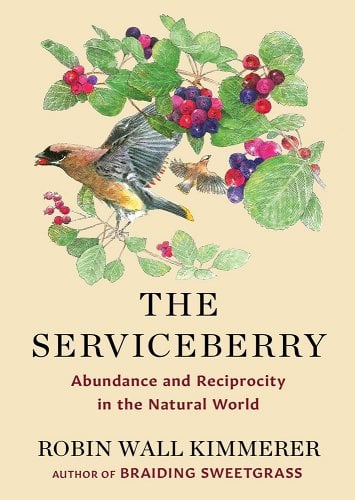
On the climate and biodiversity crisis, I’m looking forward to reading Robin Wall Kimmerer’s The Serviceberry. Robin Wall Kimmerer is a botanist with an Indigenous background which she draws on heavily in her work in botany and in her writing. Her previous book Braiding Sweetgrass was absolutely beautifully written.
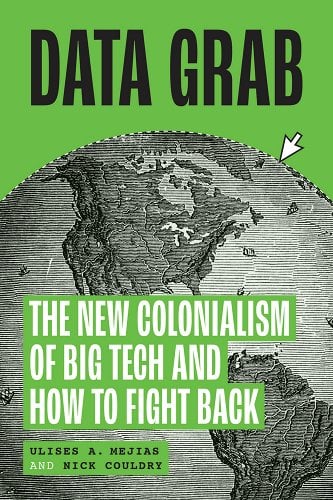
I’d also like to read Data Grab: The New Colonialism of Big Tech and How to Fight Back by Nick Couldry and Ulises Mejias. I think this will be an interesting read.




 The Art of Green Finance
Leave a comment